Welcome
About Me
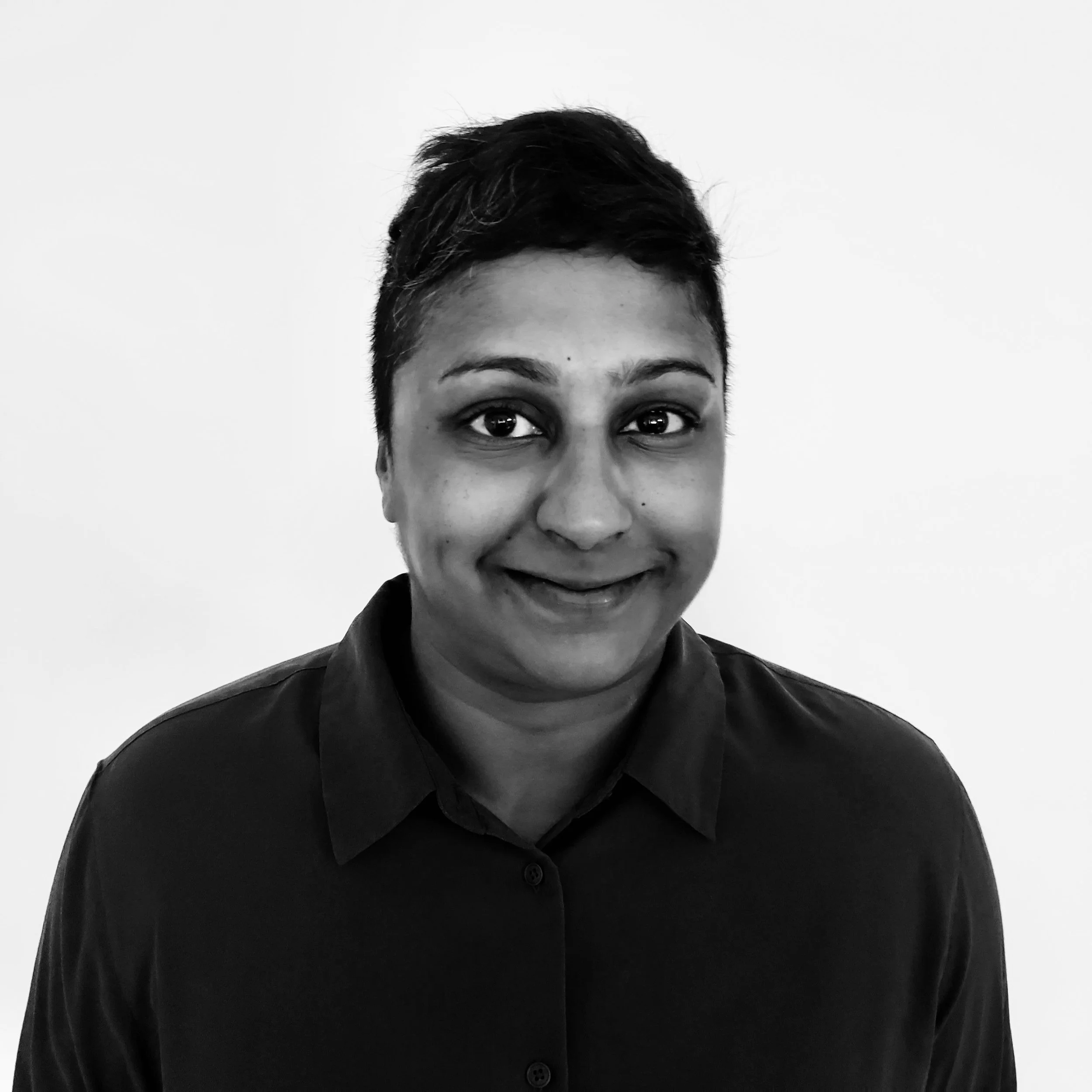
My name is Vanita Naidoo. I am a researcher, civic leader, and educator with a doctorate. My work focuses on amplifying the voices and experiences of historically marginalized communities.
I investigate how people of color and queer individuals experience natural environments, focusing on how these settings influence wellbeing, belonging, and community. Currently, I am a Visiting Assistant Professor in the Department of Sociology at Salem State University.
Early Scholarship
My early scholarship primarily focused on the relationship between identity and access to nature in campus design. As a physical symbol, the university campus reflects white spatial hierarchies and can harm those who challenge these structures, such as BIPOC and LGBTQIA+ communities. In this project, I used a survey and focus groups to learn more about how students engaged with the traditional design choices at this community college.
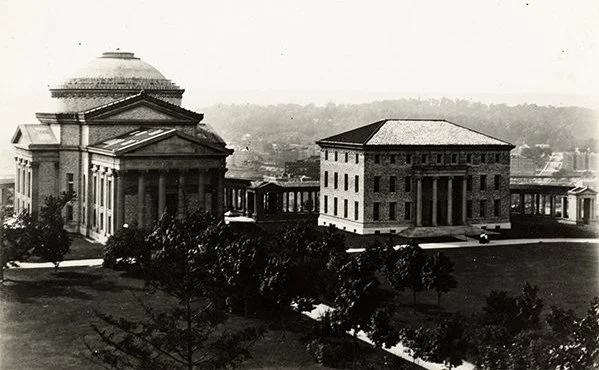
Photo Source: NYU's former University Heights Campus in the Bronx
The campus, a relic of past empires, reflects its colonial history in its architecture. My research examined the roots of the American higher education system and uncovered how white spatial imaginaries influence campus design, affecting both built structures and natural landscapes, and shape student perspectives.
Examining restorative experiences, I further challenge existing structures. At the CUNY Graduate Center, we were encouraged to dismantle white supremacy by exposing it and prioritizing the empowerment of marginalized identities. Nature is a third space where restorative justice takes place; therefore, my book, “Campus Design and the Community College Experience: An Exploration of Stress, Belonging, and Identity,” explores socio-spatial relationships, nature, and race.
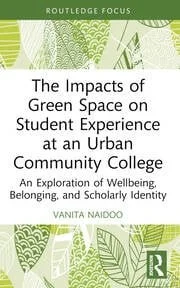
Published by Routledge in 2022, this research project was conducted in the Bronx, New York. After a decade of teaching at community colleges in New York, this project focused on historically marginalized identities and restorative practices. I explore how colonialism and segregation have racialized the use and perception of shared outdoor spaces. Kimberlé Crenshaw, W.E.B. Du Bois, and Paolo Freire have shaped my understanding of whiteness and privilege. As a result, my scholarship reveals how natural environments sustain historic forms of oppression that marginalize queer and BIPOC communities.
Book review: Community College Review
Recent Projects
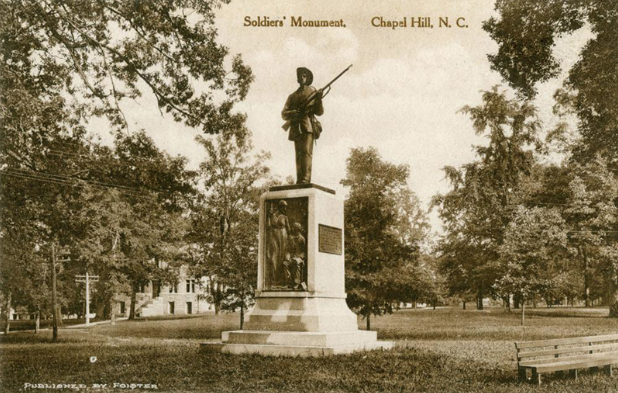
Photo Source: A Place for Chapel Hill's Silent Sam
I spent the 2020 lockdown teaching remotely at the State University of New York. During this period, I explored the impact of historic forms of oppression from a regional perspective. Witnessing national policies and the normalized hate speech targeting BIPOC, LGBTQIA+ individuals, and immigrants influenced my second project, a comparative analysis of two historic Southern universities. From 2021 to 2022, I conducted studies at the University of North Carolina at Chapel Hill and the University of Georgia. By conducting multiple focus groups and collecting over 2,800 survey responses, I learned about the contemporary student experience.
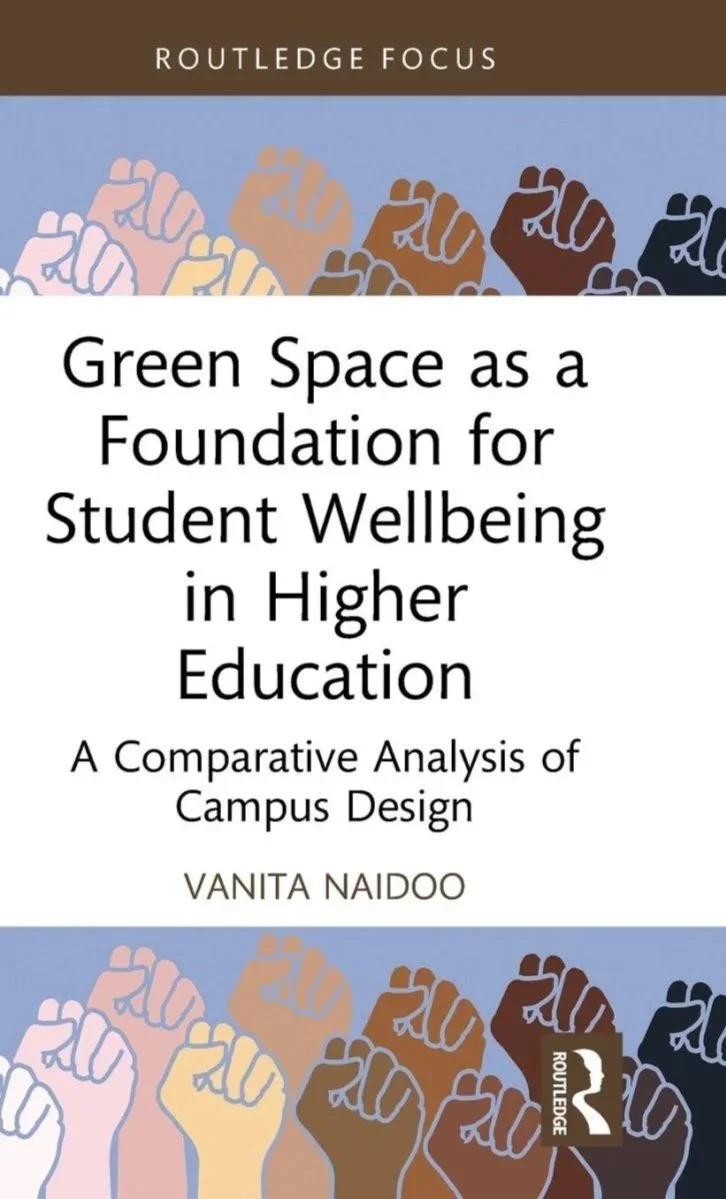
While my initial research examined how Eurocentric values were transmitted through design choices, this study focused on how students developed a sense of belonging, well-being, and community at these campuses through contact with nature and historic campus design.
I aimed to capture how marginalized groups experienced the pandemic, education, and social movements on their campus in the shadows of Confederate statues. My manuscript, “Green Space as a Foundation for Student Wellbeing in Higher Education,” published by Routledge in June 2025, served as the basis for my next project on the experience of green space at SUNY Old Westbury in New York.
My article, “Understanding Student Experience of Campus Green Space Post COVID-19,” was published in the Journal of American College Health. This suburban university, with its expansive landscape, served as an interesting case study of the LGBTQIA+ and BIPOC experiences at a predominantly white institution.
At this campus, there was a noticeable racial dimension to how students navigated the environment; therefore, feedback from non-white participants offered unique insights into the relationship between engagement with green space and marginalized identities. In "Intersectional Identities, Inequality, and Public Green Space", I translate my scholarship into a policy proposal on inclusive planning practices.
Contact me
drvanitanaidoo@gmail.com